

Tourism in the Name of Beauty.
Parco sul mare della villa
favorita
LOCATION
Via Gabriele D’Annunzio, 36
80056 – Ercolano (NA)
TIMETABLES
Mon – Sun 08:15 AM – 7:45 PM
The building can only be visited as part of the Villa Campolieto Group Tour.
XXXI edizione
festival delle ville vesuviane
ripartiamo dalla
bellezza
26 luglio 2020
villa campolieto – ercolano

biglietteria
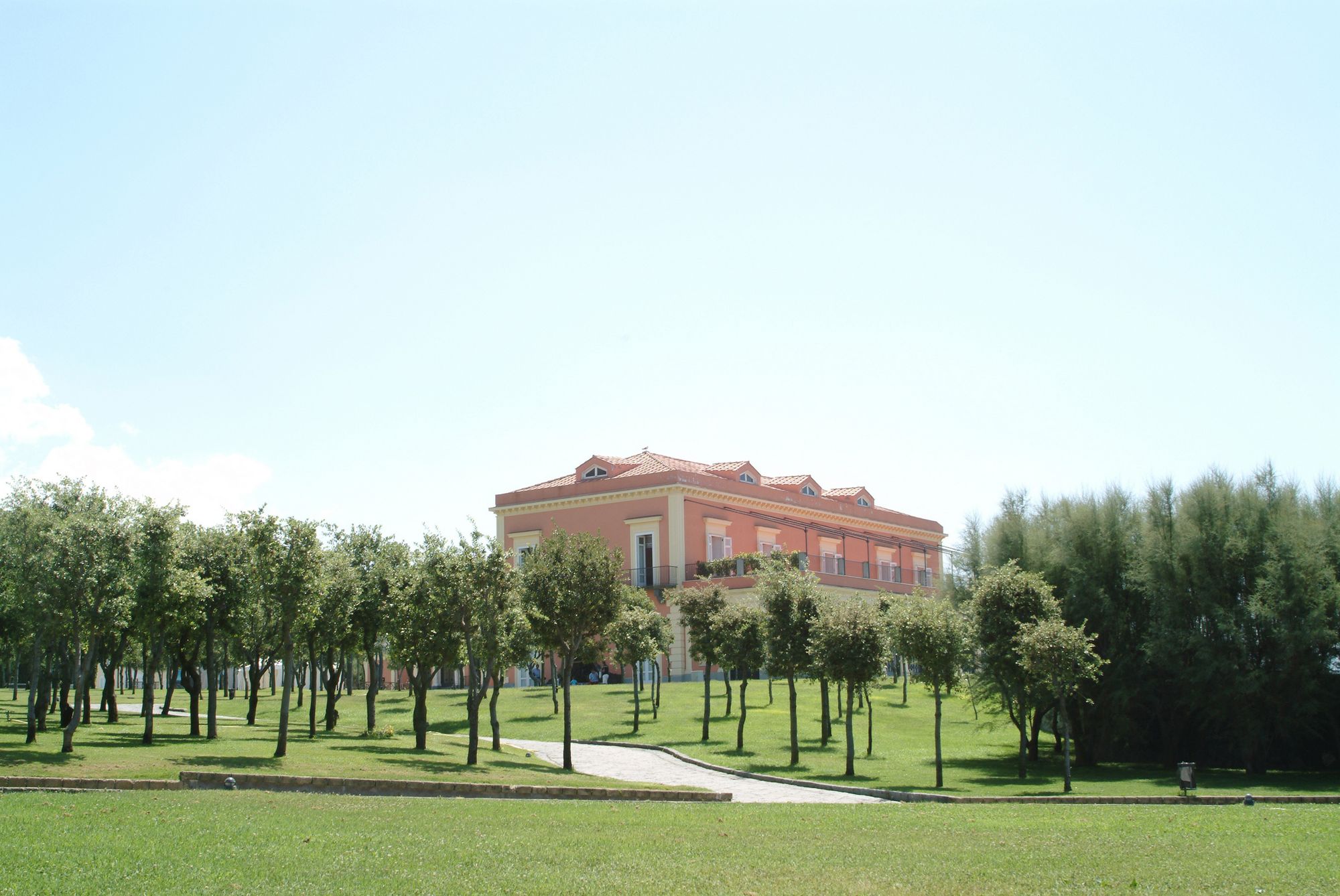
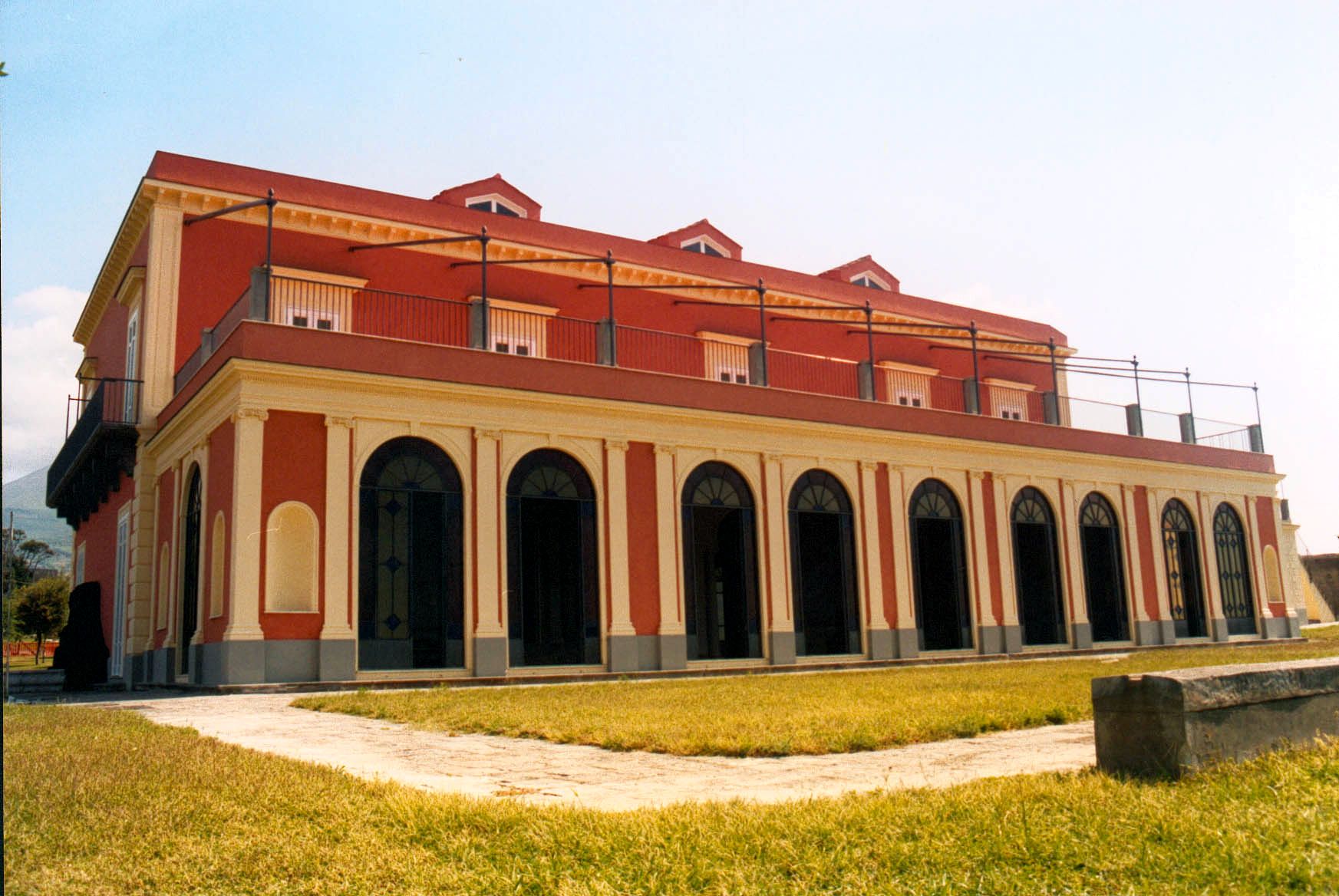
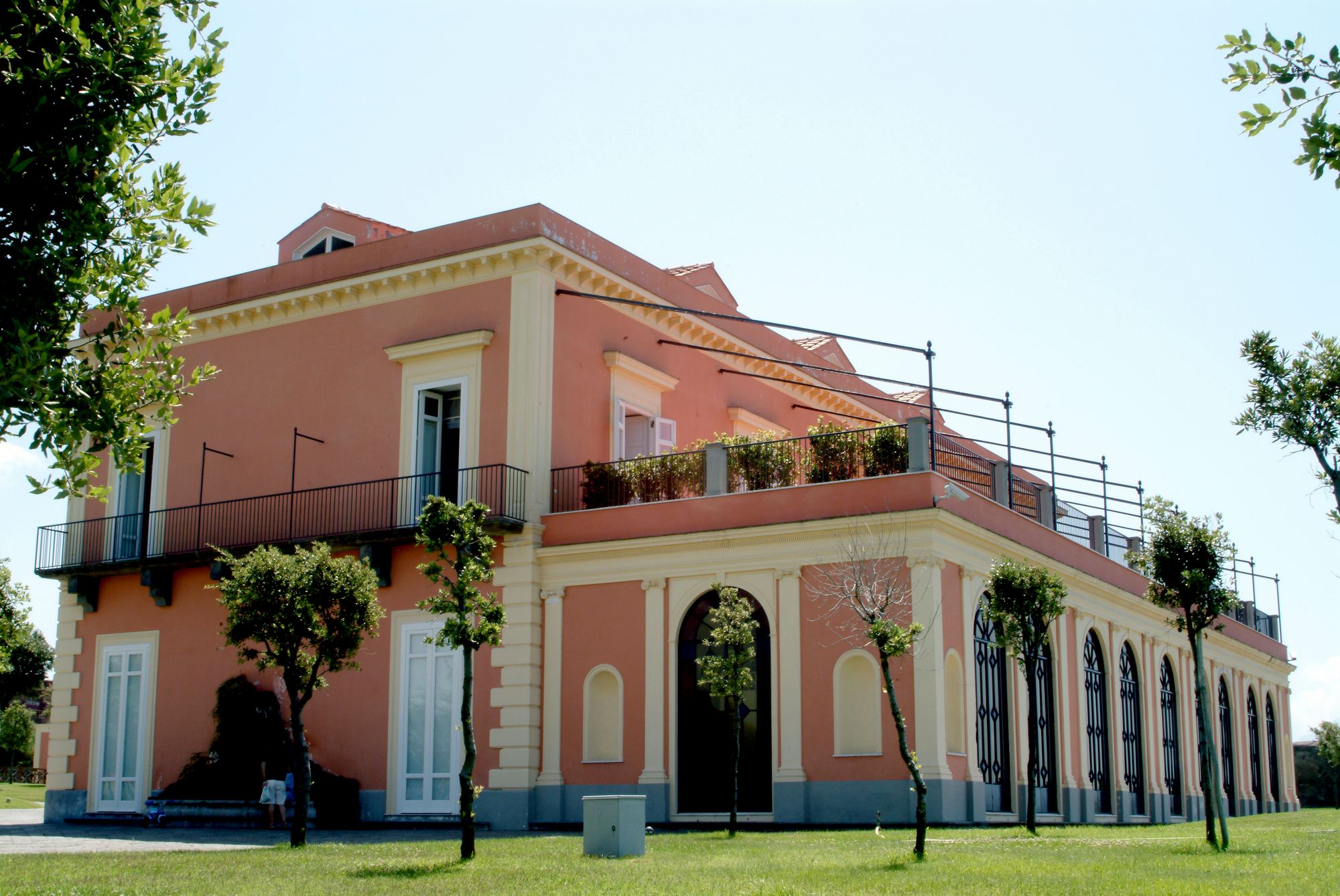
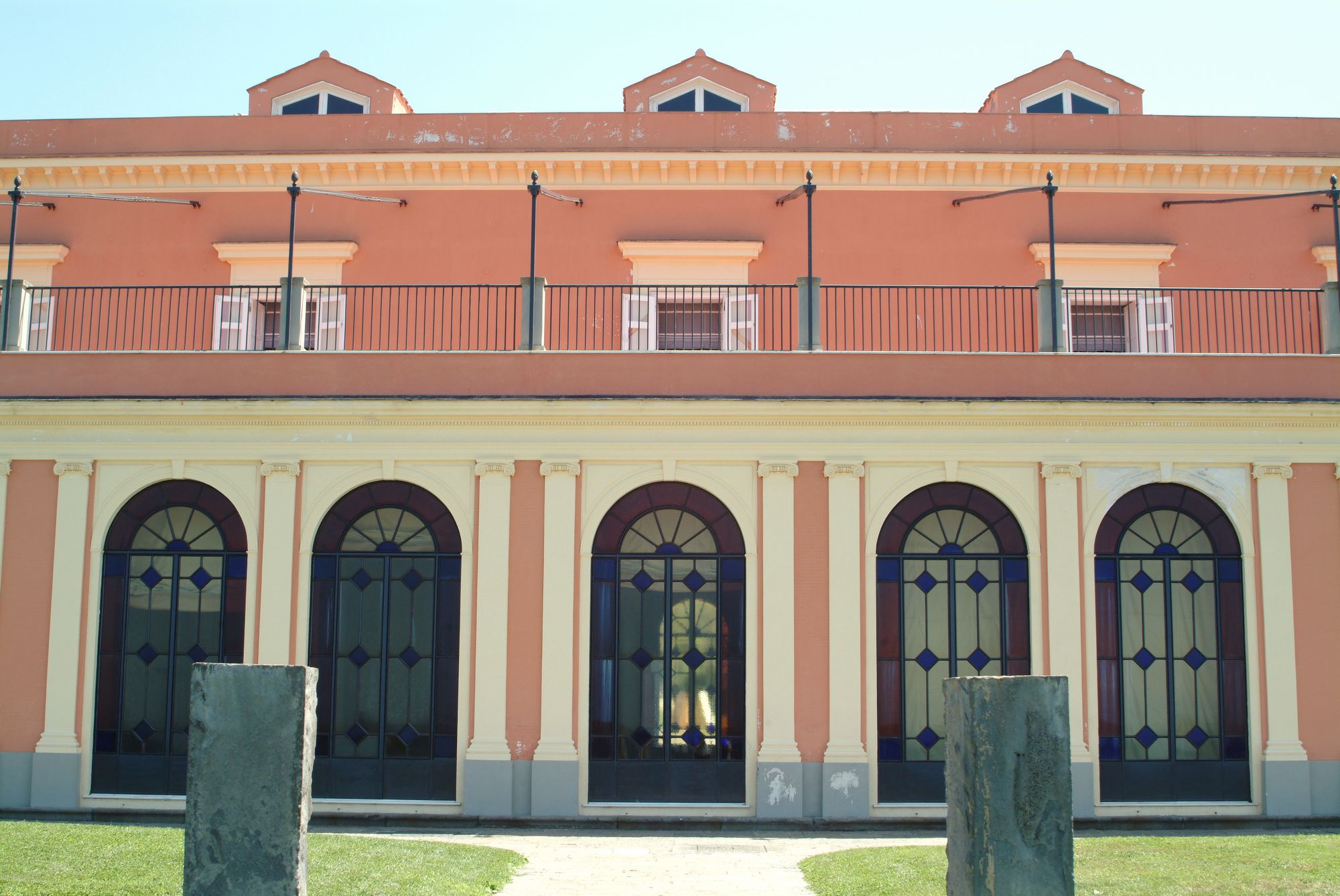
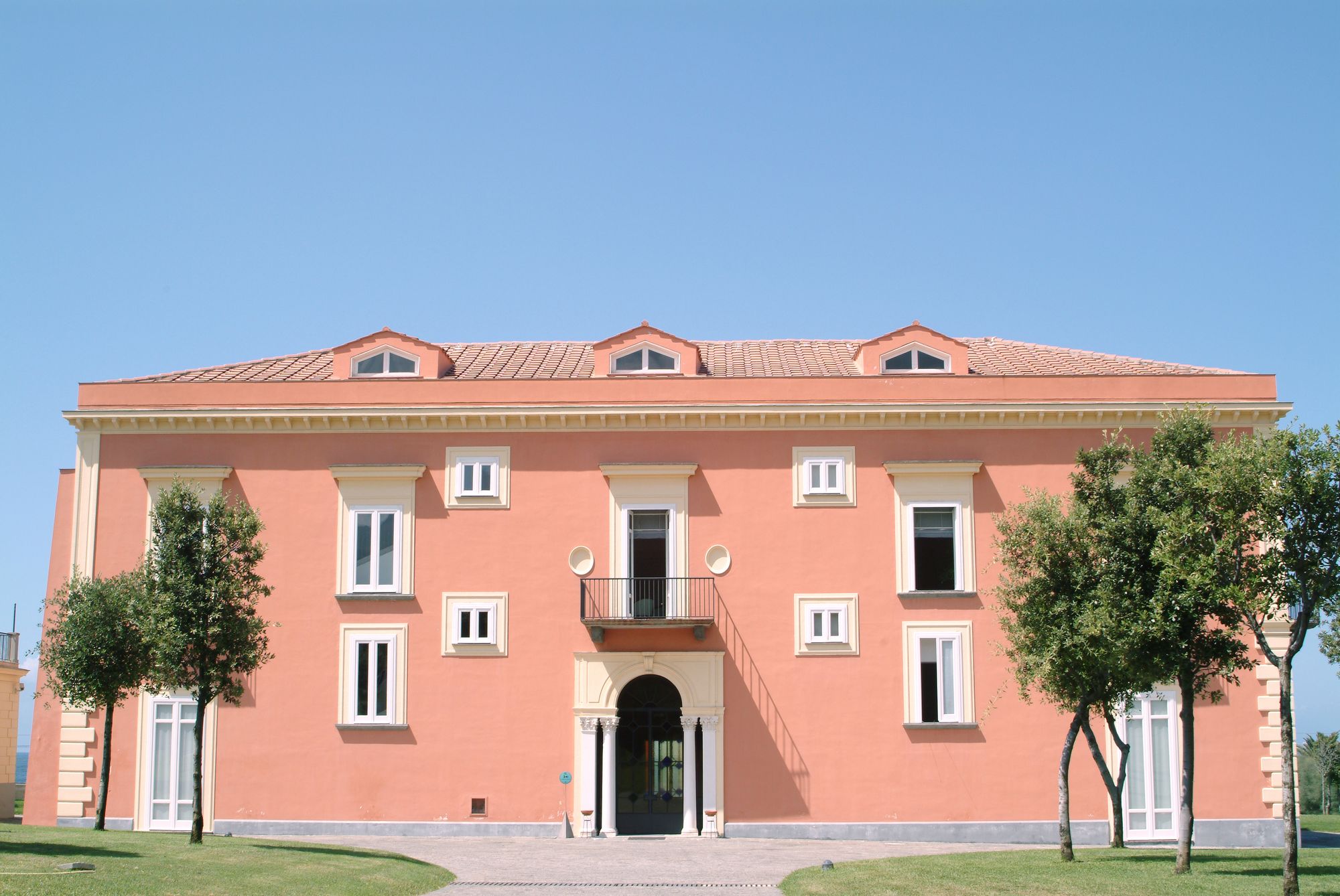
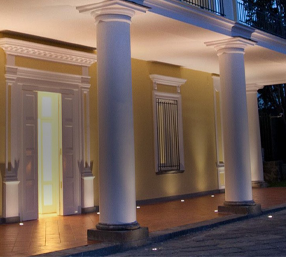
The imposing building, designed by Ferdinando Fuga and named “La Favorita” by King Ferdinand IV of Bourbon as a tribute to Queen Maria Carolina of Austria, features a rather unusual floor plan that differs from the recurring layouts typical of the 18th-century villas along the Miglio d’Oro (Golden Mile).
The façade, which stretches along the Via Regia delle Calabrie, does not have openings along its central axis providing direct access from the road to the park. The two symmetrical entrance courtyards are positioned laterally, while the central section extends along an axis aligned with the sea, terminating on the raised ground floor in a terrace at the top of a semicircular staircase. The staircases connecting the different floors are located at the ends of the wings.
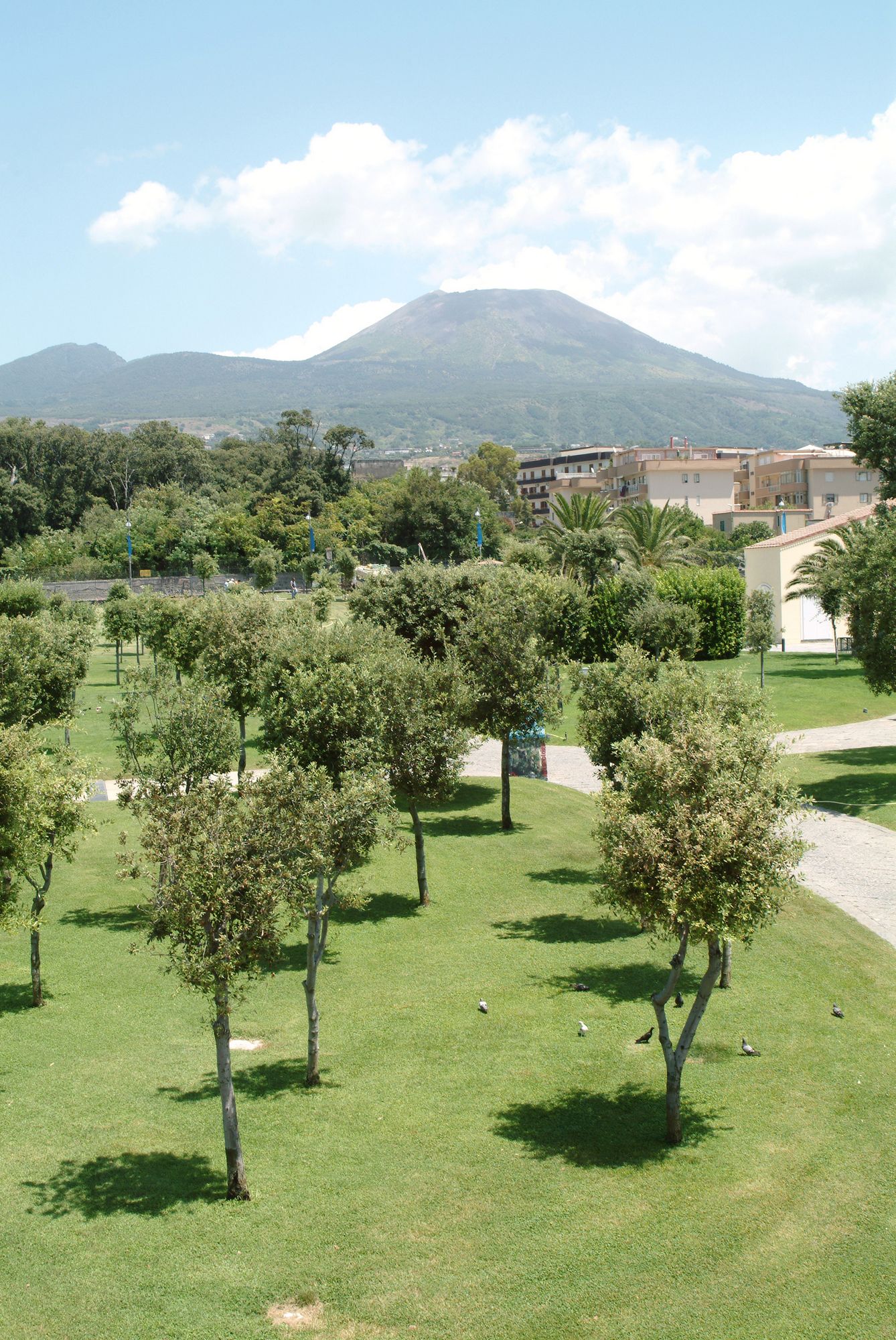
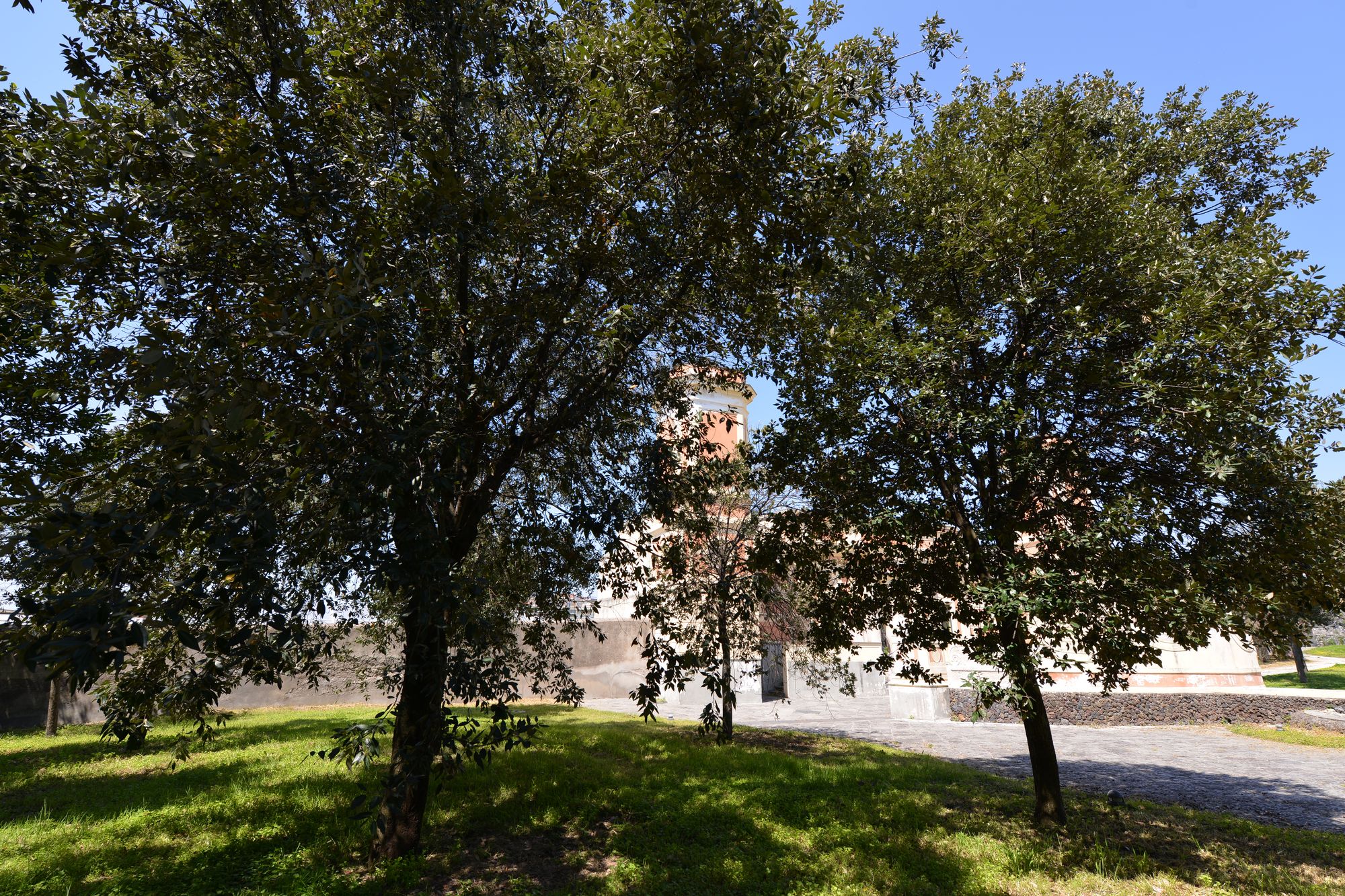
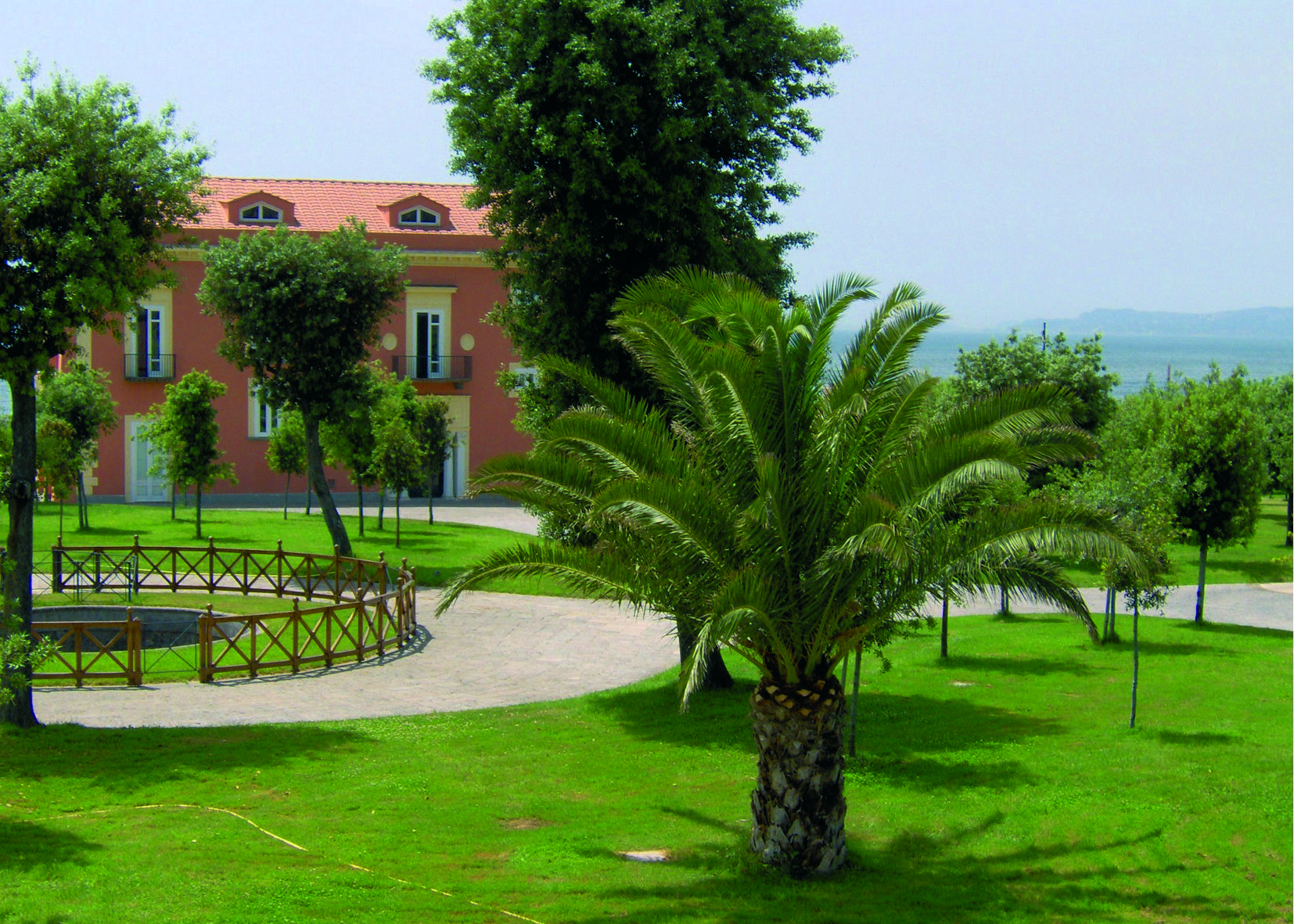
The extensive grounds of Villa Favorita, rich in Mediterranean and particularly rare exotic plant species, are interrupted in their continuity by the railway line and a road, and culminate towards the sea in the Bourbon landing stage.
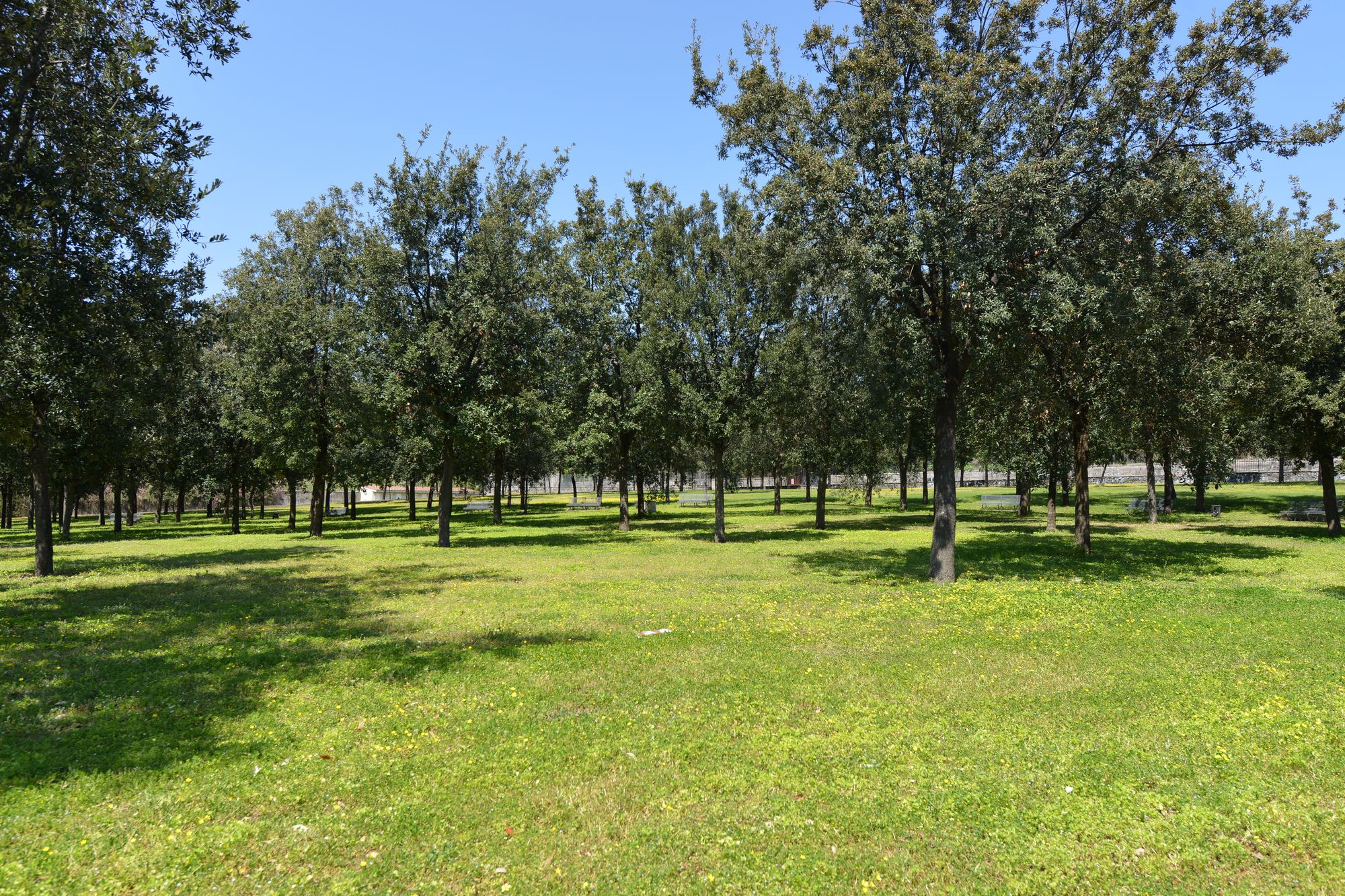
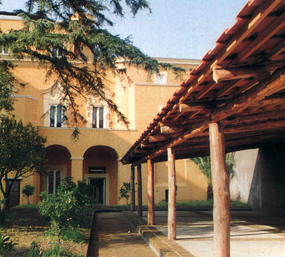
After being improperly used for a long period, the section of the park overlooking the sea has been restored to its former splendour thanks to the intervention of the Ente per le Ville Vesuviane, now a Foundation. The lively network of tree-lined avenues and holm-oak paths leads to the carousel and a chapel that adorn the park, telling the story of one of the villa’s most magnificent periods.
When the villa was owned by Prince Leopoldo of Bourbon, Prince of Salerno, it was opened to the public in 1823 and enriched with carousels and gymnastic facilities inspired by German fashions, as well as monumental buildings known as the “Farmhouses”, the “Chapel” and the “Laundry”.
Leopoldo, Prince of Salerno and son of Ferdinand IV, had various amusements built which he opened to his subjects on feast days: orchestras, carousels and rides in the shape of horses and boats. Today, the Mosaic House, a fishpond and the remains of several rides are all that survive.
The small house was probably acquired following a bequest to the royal family, although it is already depicted in an engraving by Francesco Sicuro from 1777 dedicated to the Prince of Jaci. It was certainly modified both in its layout and in the decoration of the gaming room, which was made unique through the use of materials ranging from mother-of-pearl to fragments of porcelain. These were assembled into striking mosaics commissioned by the king and created through the expertise of local craftsmen, who were probably trained at the Royal Laboratory of Hard Stones in Capodimonte.
The view from the rear of the Mosaic House is one of the most evocative panoramas of the Gulf of Naples.
The pier, a historic Bourbon landing stage, allowed the Royal Family to reach the archaeological site of Herculaneum directly by sea. It was here that Ferdinand IV of Bourbon chose to disembark in 1802, upon returning from Palermo, where he had taken refuge following the revolutionary uprisings of 1799.
The Ancient Bourbon Landing Stage and the Coffee House building, consisting of two small towers flanking the descent towards the sea in accordance with the architectural conventions of the period, are still visible. However, the relationship between the coastline and the entire garden was completely altered by the construction of the railway line in 1839.
The “Russian Mountains”, despite their name, actually represent the finest Coffee House in the park. Added in 1854, the structure resembles a small open-air theatre, enriched with a fishpond and a fountain. During the year, slides with wooden walkways were installed here on the occasion of public festivities and games, which explains the name “Russian Mountains”.
galleria